Photo by https://www.esztercabralphotography.com/
What Is Osteopathy?
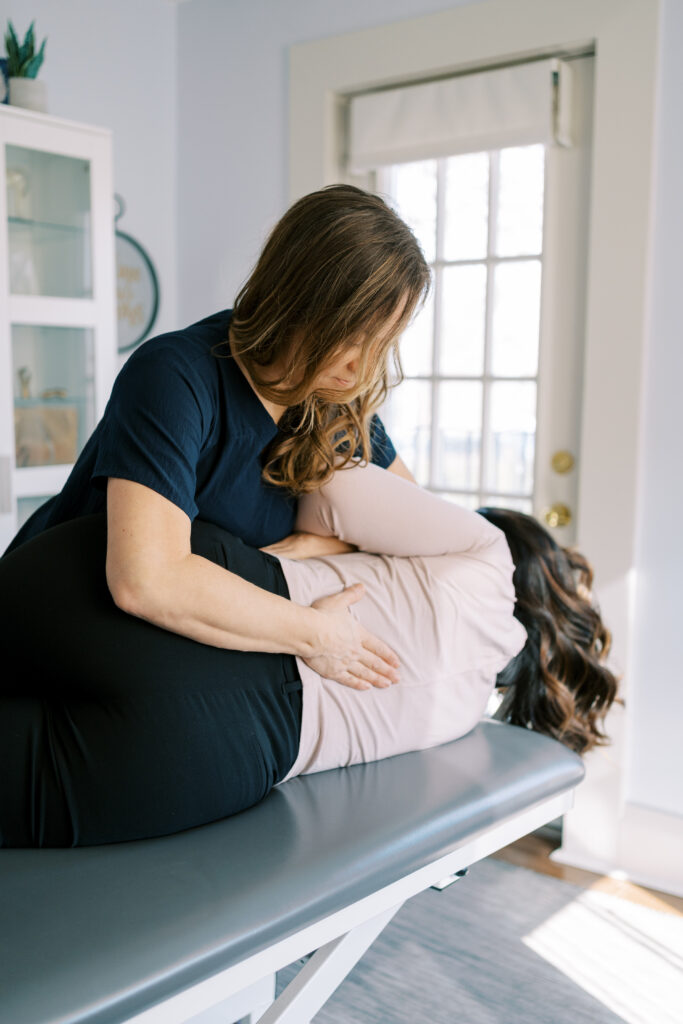
Osteopathy is a hands-on form of manual therapy that focuses on the relationship between the body’s structure and how it functions.
Rather than looking only at the area where symptoms are felt, an Osteopathic Manual Practitioner considers the body as an interconnected whole. Treatment aims to reduce restrictions, restore mobility and improve the relationship between the body’s structures so they can function together more effectively.
The Osteopathic Approach
The osteopathic approach recognizes that the structures of the body are interrelated. Muscles, fascia, joints, bones, nerves, blood vessels and viscera do not function in isolation.
Restrictions within or around these structures can influence mobility, circulation and function, sometimes creating effects in areas of the body away from where the original restriction occurred.
Through careful assessment and hands-on treatment, an Osteopathic Manual Practitioner works to identify these relationships, relieve restrictions and restore mobility and alignment. The goal is to create an environment in which the body is better able to adapt, function and use its own natural capacity for healing.
A Simple Example
Consider an old hip injury.
Changes in the way the hip moves can influence the position and movement of the pelvis. Over time, tension through the fascia and surrounding tissues can create lines of force extending through the torso and potentially affecting other areas, including the opposite shoulder.
The shoulder may eventually become the area where discomfort is felt, even though it may represent only one part of a larger mechanical pattern.
Treating the shoulder alone may provide relief. An osteopathic assessment looks beyond the painful area to consider whether restrictions elsewhere in the body may also be contributing to the problem.
Whole-Body Care
Osteopathy considers the whole person, not simply an isolated symptom.
Assessment and treatment take into account the body’s structure and movement, previous injuries, daily activities and other factors that may influence how an individual functions.
Treatment is individualized and may involve different hands-on techniques depending on what is found during the assessment. Patient education can also help people better understand their bodies and support healthy movement and function between appointments.
Meet Rachel
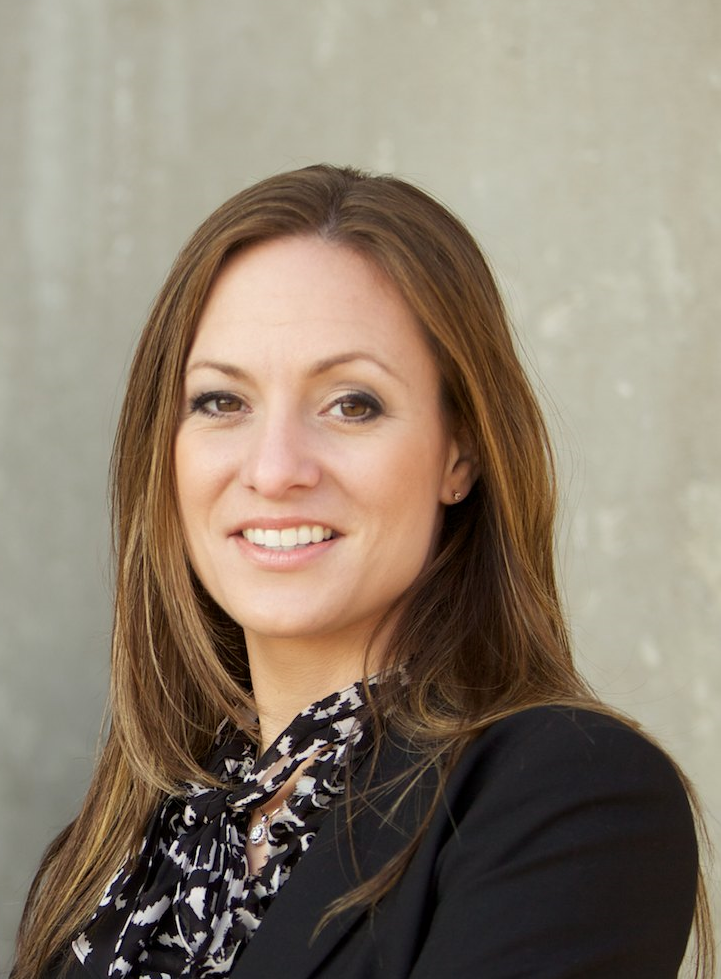
Rachel van Romondt, M.OMSc., RMT
Osteopathic Manual Practitioner · Registered Massage Therapist
Rachel is a classically trained Osteopathic Manual Practitioner and Registered Massage Therapist with more than 20 years of experience in hands-on manual therapy.
Her career began in 2002, when she received an Advanced Diploma in Massage Therapy from Centennial College and became registered with the College of Massage Therapists of Ontario.
A desire to better understand the relationships between structure, movement and function led Rachel to pursue extensive continuing education in fascia, PNF stretching, yoga, personal training and structural alignment. She completed her 500-hour Registered Yoga Teacher training and pursued further study influenced by Anatomy Trains and the work of Ida Rolf.
Discovering Osteopathy
Rachel was first introduced to classical osteopathy while looking for ways to address her own repetitive strain injuries and manage the mechanical challenges associated with scoliosis.
Experiencing the effects of osteopathic treatment sparked a deeper interest in its whole-body approach and ultimately led her to pursue the full-time study of osteopathy.
Rachel graduated from the Canadian Academy of Osteopathy in Hamilton in 2017 after completing a comprehensive four-year program comprising more than 4,200 hours of education and 1,000 hours of practical training.
Today, she brings together her osteopathic education and more than two decades of manual-therapy experience to provide thoughtful, individualized, hands-on care.
Continuing Education
Rachel continues to expand her education, with particular study in cranial, facial and cervical approaches.
Recent postgraduate education includes:
- Foundations of Pediatric Manual Therapy — FFAME, Family Focused Manual Applied Education, 2023
- Cranial Considerations in Concussion Recovery — 2023
- Cranial-Facial-Cervical Trauma and Tension — 2023
This additional training informs Rachel’s assessment and treatment of the complex relationships between the head, neck, jaw and surrounding structures.
Areas of Clinical Interest
Rachel has a particular interest in working with people experiencing concerns involving:
- Headaches and migraines
- Jaw tension, clenching and TMJ dysfunction
- Neck and cervical restrictions
- Facial and cranial tension
- Sinus-related tension and pressure
- Whiplash and post-injury restrictions
- Post-concussion symptoms
- Repetitive strain and persistent musculoskeletal concerns
Treatment is always based on an individual assessment, and referral to another healthcare professional may be recommended when a concern falls outside the scope of osteopathic manual practice.
Additional Treatment Options
At the Streetsville location, Rachel also offers Shockwave Therapy as adjuncts to manual treatment when appropriate.
Shockwave Therapy may be considered for certain musculoskeletal concerns involving tendons, ligaments and other soft tissues, including plantar fascia and some chronic overuse injuries.
These therapies are recommended based on individual assessment rather than used as a standard part of every osteopathic treatment.